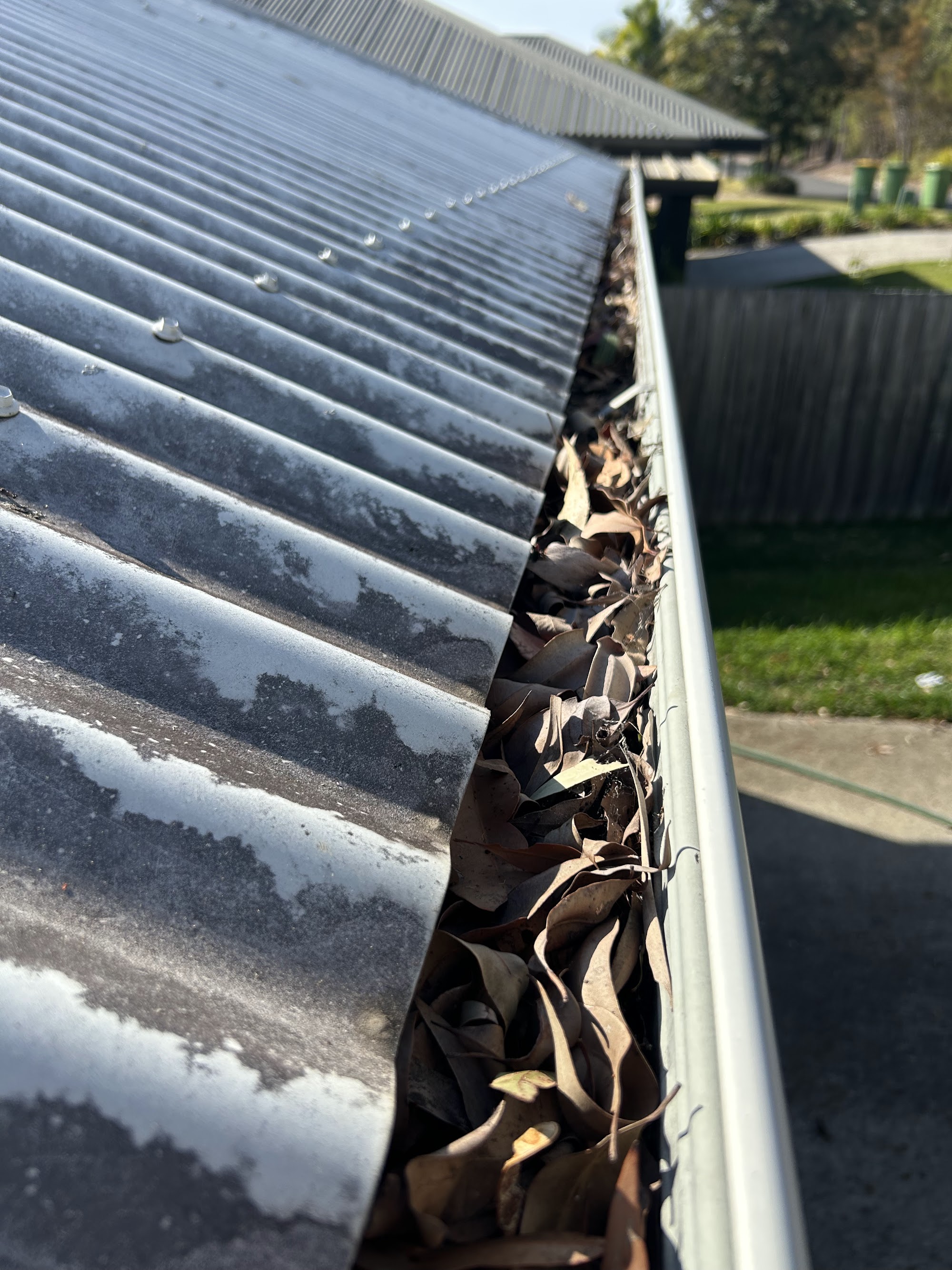
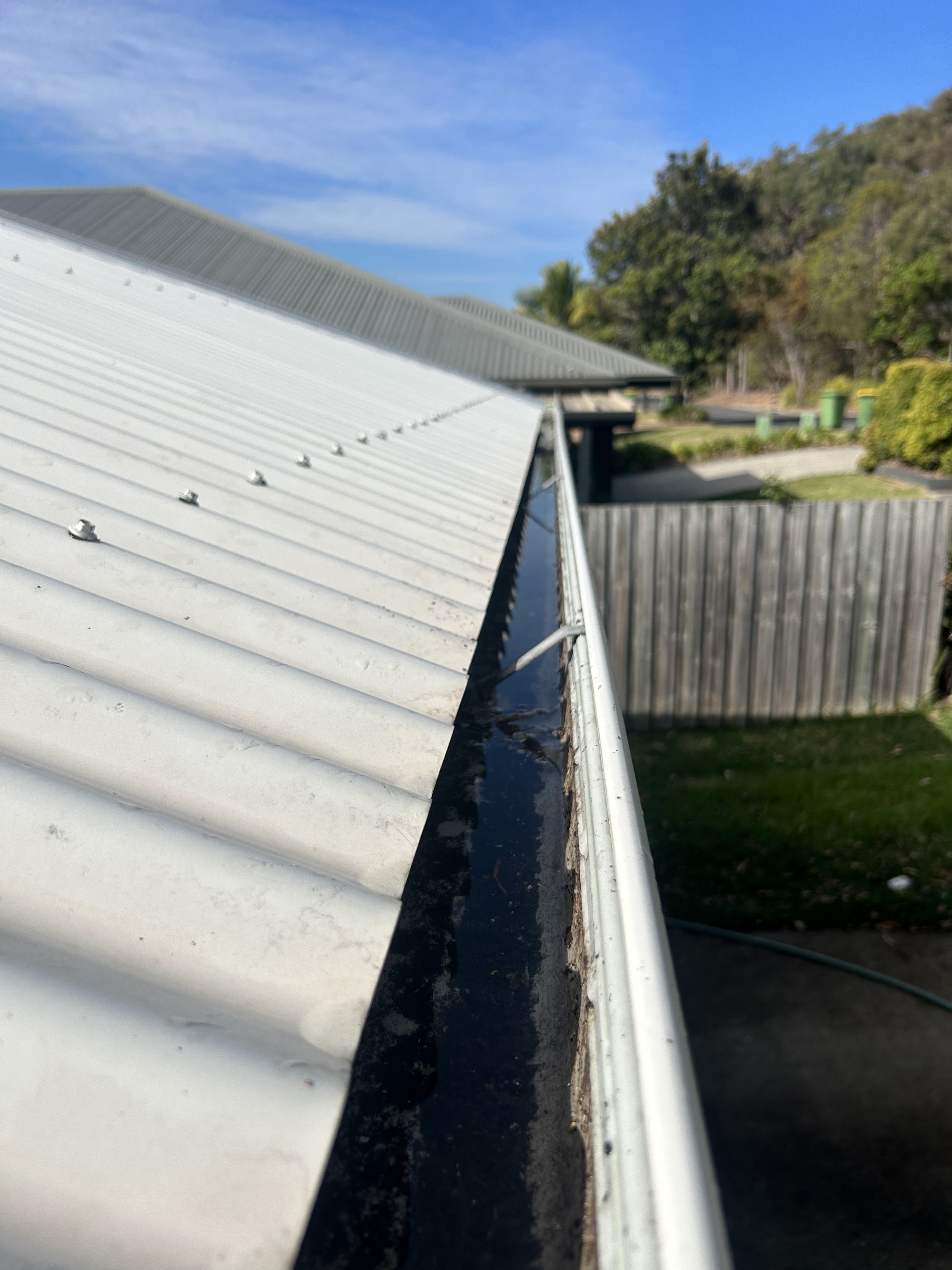
Built on and around a hill, with bushland on three sides. That gives Mount Gravatt two problems most southside suburbs do not have: steep driveways that get genuinely slippery, and gutters that fill with gum leaves faster than anywhere else we work.
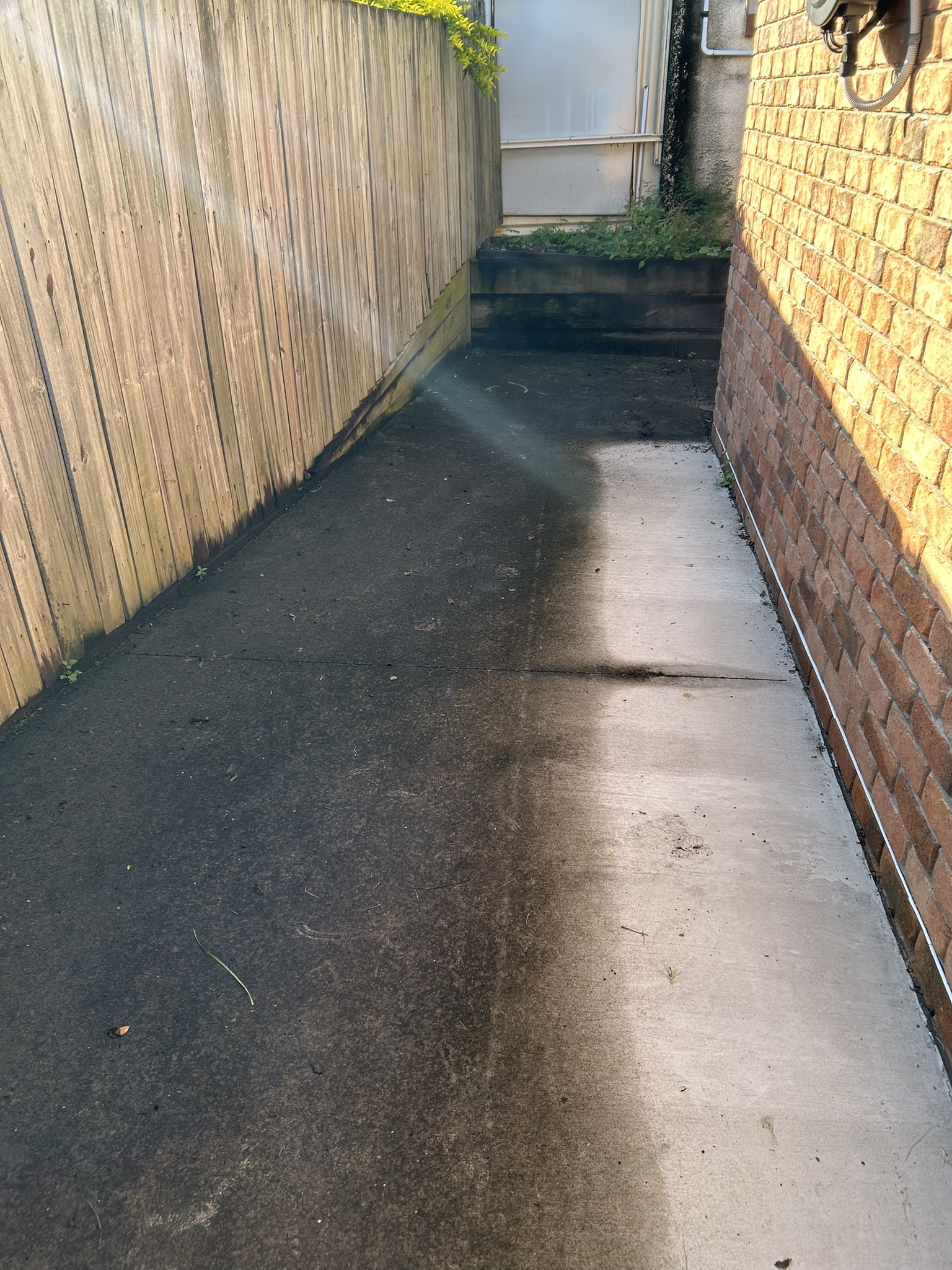
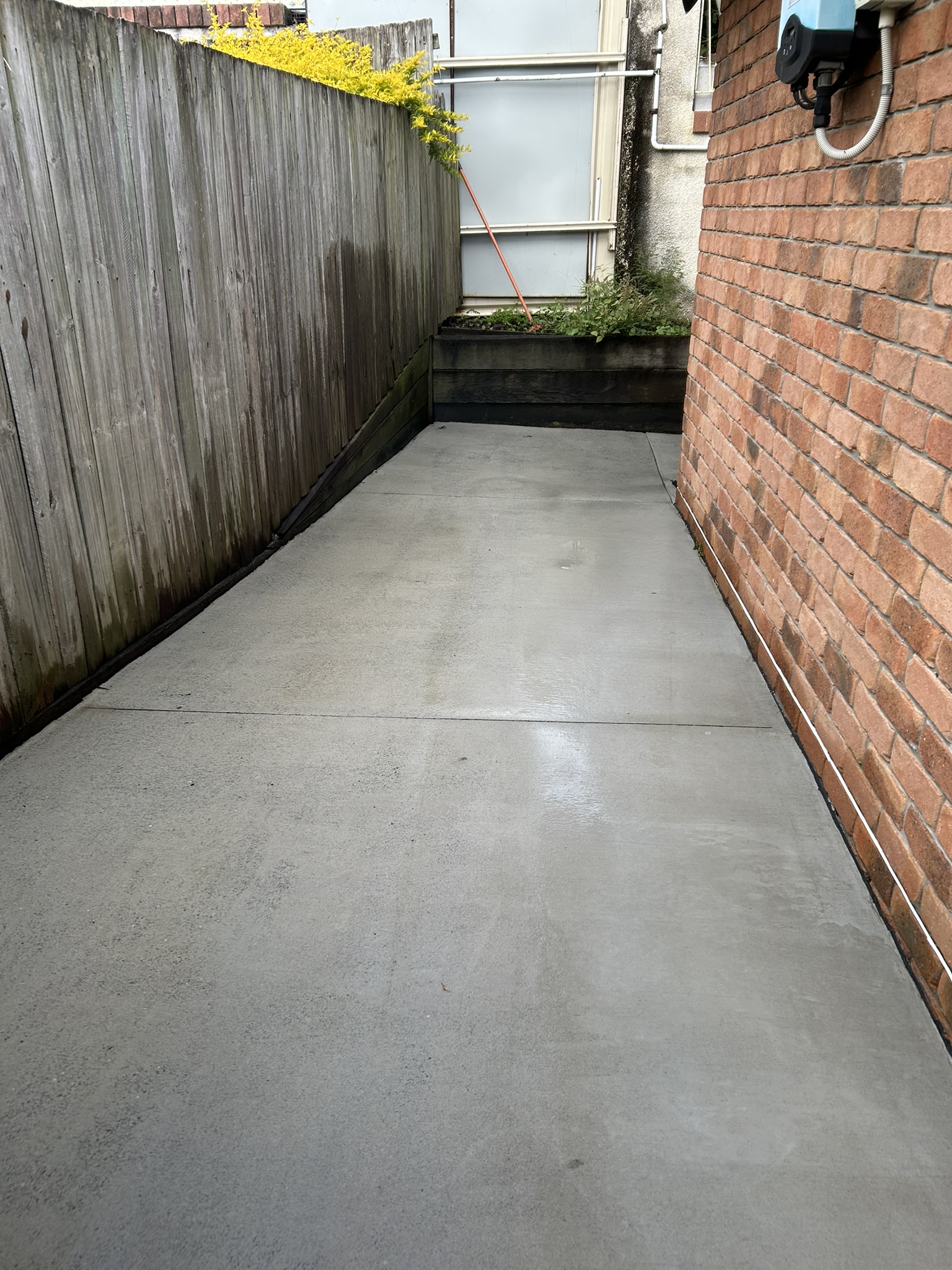
The driveways are the safety issue. A sloped concrete driveway with a film of moss and algae on it is genuinely dangerous when it is wet, and Brisbane summer storms make it wet a lot. On the steeper streets running off the mountain this is the most common reason people call us, and it is one of the few cleaning jobs we would describe as maintenance rather than cosmetics. A clean driveway grips.
The bushland is the gutter issue. Toohey Forest and the Mount Gravatt reserve mean eucalypt leaf drop all year, not just in autumn. Gum leaves pack down into a dense mat that water cannot get through, and a blocked gutter on a sloped block does not simply overflow harmlessly — it dumps concentrated run-off against the house and down the wall. Worth doing before storm season rather than after.
The aspect is the mould issue. Houses on the southern and south-eastern slopes sit in the mountain’s shadow for a good part of the day. Those walls and roofs stay damp for hours longer than the same house two streets north, and they grow mould accordingly. If one side of your house is visibly worse than the other, this is almost always why.
Most of the housing is post-war and 1960s to 1980s brick and tile, with a decent number of high-set homes and built-under extensions. Newer roofs across Upper Mount Gravatt often carry solar panels, which are worth cleaning at the same time as the roof rather than as a separate visit.
Most people think their driveway is grey. It is usually a good deal lighter than that under the algae.
Also working nearby: Sunnybank, Tarragindi, Camp Hill and Moorooka.
Packed down hard enough that water cannot get through. On a sloped block that run-off goes somewhere, and it is usually down your wall.